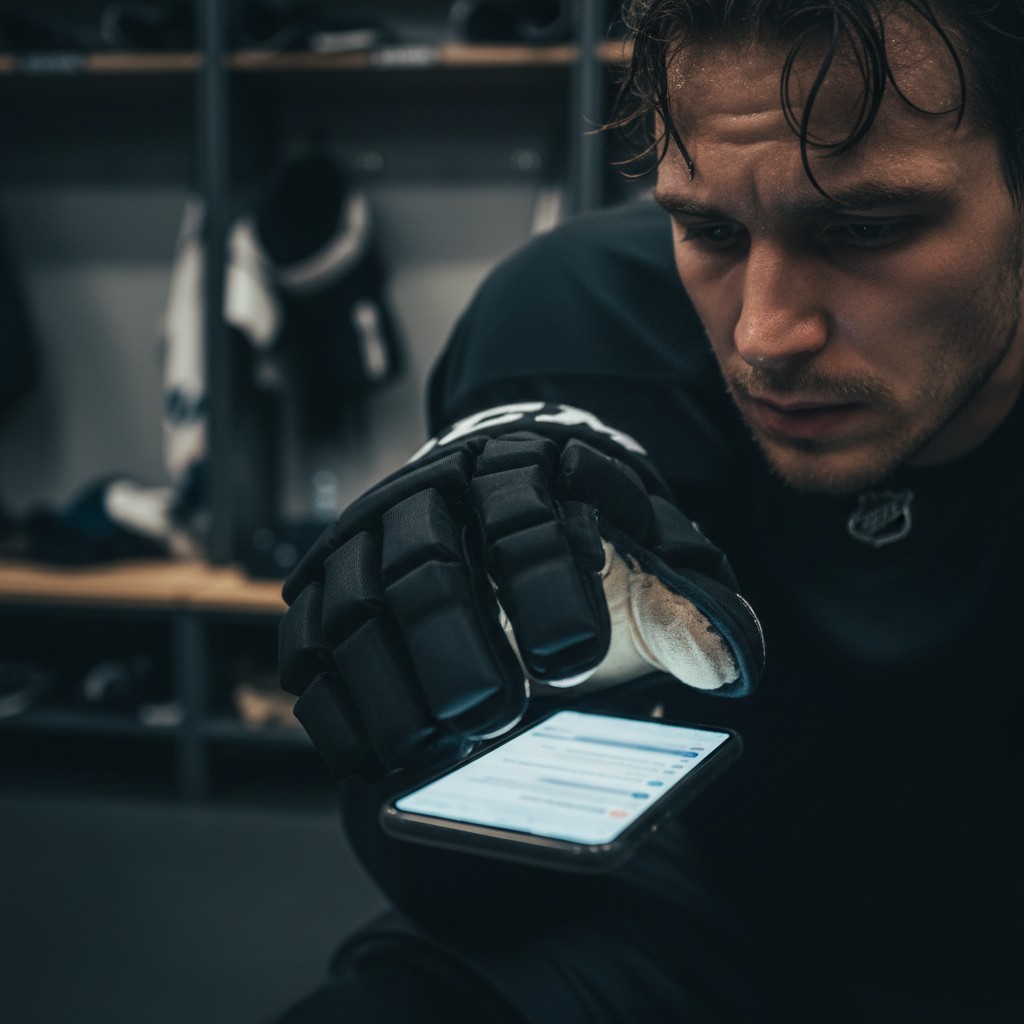
In the high-stakes, high-pressure world of professional hockey, players are increasingly finding solace not on the ice, but offline. A recent deep dive by The Athletic, published in conjunction with The New York Times, has shed light on a growing trend among NHL players: a mass exodus from social media platforms, driven largely by the pervasive negativity and mental strain inflicted by online interactions with fans. The findings paint a stark picture of the digital battlefield many athletes face daily.
The Weight of the Digital World
For years, social media was touted as a way for athletes to connect directly with their fanbase, build their personal brand, and offer a glimpse into their lives beyond the rink. However, what began as a tool for connection has, for many NHLers, morphed into a source of significant stress and distraction. The Athletic's report highlights a candid sentiment echoed by numerous players: the online environment has become overwhelmingly toxic. "They're mean behind the keyboard," one unnamed player remarked, perfectly encapsulating the sentiment of many who have faced the brunt of unbridled criticism and personal attacks from anonymous accounts.
Another player confessed, "I would be a pretzel if I (paid attention to it)," illustrating the immense mental fortitude required to navigate the constant barrage of comments, both positive and negative, that flood their feeds. This sentiment underscores a critical issue: the mental well-being of athletes in an era where their performances, personal lives, and even off-ice decisions are subject to immediate and often harsh public judgment.
The Great Disconnect: A Poll Reveals Player Habits
To further understand the depth of this issue, The Athletic conducted a comprehensive poll among NHL players, delving into their social media habits and their engagement with fan feedback. The results were telling, revealing a significant divide in how players choose to interact with the digital realm. A striking 80% of those polled indicated that they actively avoid following what fans say on social media. This overwhelming majority suggests a conscious and widespread effort to create a buffer between their professional lives and the often-unfiltered opinions of the public.
This deliberate disengagement is not merely a preference; it appears to be a coping mechanism, a necessary step to protect their mental space and maintain focus on their demanding careers. By choosing to ignore the noise, these players are attempting to shield themselves from the negativity that can easily seep into their personal lives and impact their confidence and performance.
However, the poll also revealed that not all players have managed to erect such impenetrable walls. A notable 20% of NHLers admitted to being truthful about following what fans say on social media. This segment of players, whether out of curiosity, a desire for feedback, or perhaps a struggle to resist the allure of direct engagement, remains exposed to the full spectrum of online commentary. For these athletes, the challenge of separating constructive criticism from vitriolic abuse is an ongoing battle, potentially impacting their emotional state and focus.
The Burner Account Question: A Silent Digital Escape?
While the report explicitly discusses players deleting social media, the intriguing question raised in the original headline—"are they turning to burner accounts?"—hints at a more nuanced and clandestine aspect of this digital retreat. The article itself, as found in the search results, doesn't provide explicit details or confirmed instances of NHL players utilizing burner accounts. However, the very posing of the question by The Athletic suggests an underlying suspicion or anecdotal evidence within the hockey world that some players might be seeking alternative, anonymous avenues to observe online discourse without direct exposure or personal attachment.
The concept of a "burner account" is not new in professional sports, often used by athletes to follow news, interact discreetly, or even defend themselves anonymously. For NHLers grappling with the public eye, a burner account could offer a perceived safe harbor, allowing them to stay informed or engaged with specific communities without the personal cost associated with their official, public profiles. It represents a potential middle ground for those who wish to maintain some digital presence without enduring the relentless scrutiny their celebrity status brings.
Beyond the Keyboard: The Impact on Player-Fan Relations
The increasing withdrawal of NHL players from social media platforms raises important questions about the evolving relationship between athletes and their fans. While direct interaction can sometimes foster a deeper connection, the prevalence of negativity is clearly creating a chasm. This trend suggests a potential future where the public-facing personas of athletes become even more curated and controlled, with fewer spontaneous or personal insights shared directly with the fanbase.
Ultimately, The Athletic's report serves as a crucial reminder of the human element behind the helmets and jerseys. NHL players, despite their athletic prowess and public profiles, are susceptible to the same emotional impacts of online harassment as anyone else. Their growing decision to step away from the digital noise is a testament to the challenging environment social media has become, prompting a broader conversation about respect, accountability, and the well-being of professional athletes in the digital age.