College Football's Bowl System Faces Existential Threat as Teams Decline Invitations
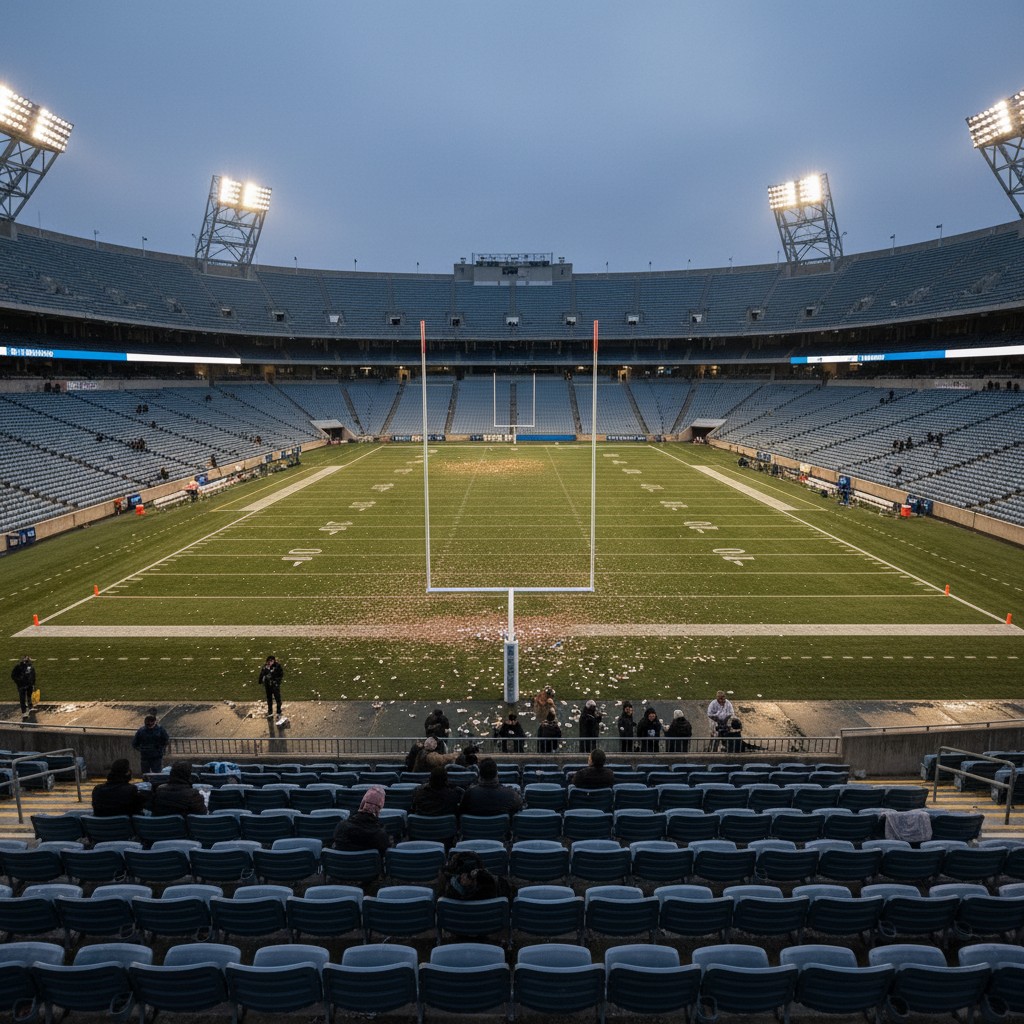
The landscape of college football's postseason underwent a seismic shift in the 2025 season, as an unprecedented number of teams, including prominent programs, outright declined invitations to bowl games. This emerging trend of "team opt-outs" represents a significant escalation beyond individual player decisions and has ignited serious concerns about the future of the traditional bowl system. What was once a celebrated conclusion to the season for many has, for several programs, become an afterthought, or even an obligation to be sidestepped.
For years, the college football world has grown accustomed to star players opting out of non-playoff bowl games to prepare for the NFL Draft or mitigate injury risks. This practice, initiated by players like Christian McCaffrey and Leonard Fournette in 2016, has largely been accepted as a modern reality of the sport. However, the 2025 season presented a new and more disruptive phenomenon: entire teams choosing to forgo postseason play.
Among the most notable programs to decline bowl bids were Notre Dame, Iowa State, and Kansas State. Notre Dame, finishing with a 10-2 record and ranked 11th in the College Football Playoff (CFP) standings, made headlines when they opted out after being excluded from the expanded 12-team CFP. This decision was widely interpreted as a "statement of disapproval" or a "pride card" against the CFP committee's selections. The Fighting Irish's statement indicated a focus on bringing a national title to South Bend in 2026.
Iowa State, an 8-4 team, also chose to sit out, citing significant player health and availability issues. Their decision followed the departure of head coach Matt Campbell, who left to take the helm at Penn State, further contributing to roster instability. Reports indicated that players themselves voted against bowl participation due to a lack of healthy athletes to safely practice and compete. Similarly, Kansas State, despite a 6-6 record, declined its invitation after head coach Chris Klieman retired and Collin Klein was appointed as the new head coach. The Wildcats' athletic director, Gene Taylor, emphasized the uncertainties regarding player availability and the ongoing coaching staff transition as primary reasons for their decision.
The financial repercussions of these team opt-outs were swift and substantial. The Big 12 Conference, for instance, levied a $500,000 fine against both Iowa State and Kansas State for failing to meet their contractual obligations to bowl partners. This underscores the significant revenue loss that conferences and bowl organizations face when teams withdraw. Indeed, analysts are already framing this trend as a "billion-dollar problem for NCAA," with the absence of even a single marquee team costing millions in potential earnings.
The ripple effect extended throughout the bowl selection process. Bowl committees were left scrambling to fill vacant slots, often resorting to inviting teams with losing records, specifically those with 5-7 finishes, to complete their matchups. Even then, several 5-7 teams, including Florida State, Auburn, UCF, Baylor, Rutgers, Temple, and Kansas, reportedly declined these invitations, citing reasons such as coaching changes, roster instability due to the transfer portal, low perceived upside, and a desire to focus on the upcoming season. Baylor explicitly stated they had "already progressed deeply into the offseason timeline of preparation for the 2026 season," highlighting a shift in priorities. The Birmingham Bowl, for example, struggled to secure an opponent for Georgia Southern after numerous 5-7 teams turned down bids, eventually settling on Appalachian State. This scramble has led to "lopsided matchups" and a further erosion of competitiveness and fan interest.
Many within the college football community are now questioning the very relevance of non-CFP bowl games. With the expansion of the College Football Playoff to 12 teams, the focus has increasingly become an "all-or-nothing proposition" for elite programs, diminishing the allure of traditional bowl matchups. The current bowl system, often described as "antiquated," struggles with poor attendance at many games, while schools are still obligated to purchase ticket allotments to support the bowls financially. The transfer portal, Name, Image, and Likeness (NIL) deals, and frequent coaching changes have all contributed to an "eroded postseason," making it difficult for teams to maintain cohesive rosters for bowl preparations.
The 2025 bowl season may prove to be a pivotal moment, marking "the beginning of the end for bowl season" as it has been known. The trend of team opt-outs, driven by a complex interplay of factors including playoff snubs, coaching transitions, player welfare concerns, and financial considerations, has "shattered the traditional end-of-season landscape" and poses a fundamental challenge to the long-term viability of college football's cherished postseason exhibitions.